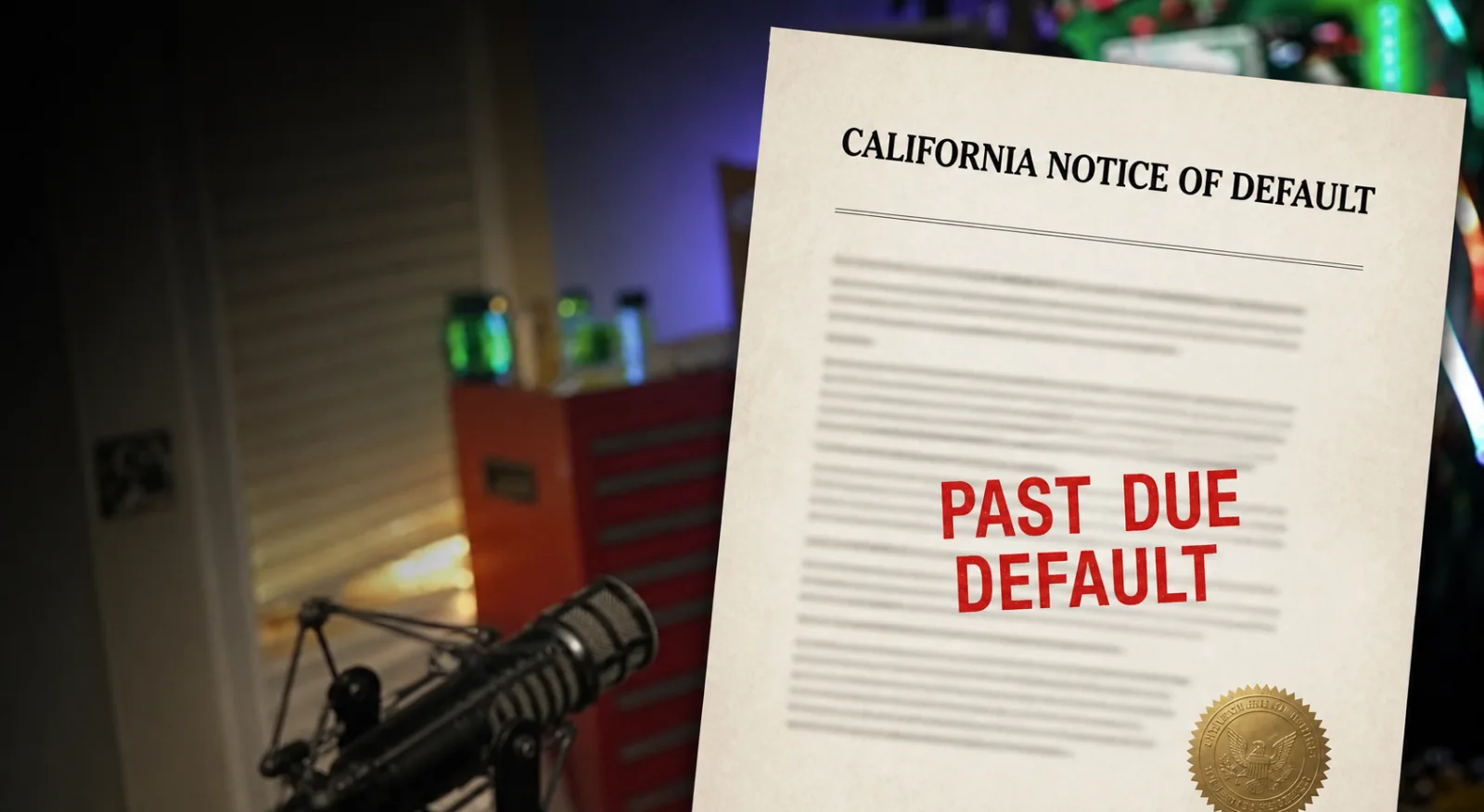
A Notice of Default is the recorded document that starts California's formal, public nonjudicial foreclosure process. It is serious, but it is not the same as a completed foreclosure sale. The notice creates a window to verify the debt, speak with the servicer, evaluate ways to keep the home, or compare a sale before the process advances.
What happens before a Notice of Default?
For many owner-occupied residential loans, the mortgage servicer must contact the borrower, or make a diligent effort to do so, to discuss foreclosure alternatives before recording the notice. California Courts explains that the notice may generally be recorded 30 days after that contact when no foreclosure avoidance plan has been reached.
Read the California Courts foreclosure guideThe California timeline after recordation
-
1. Notice of Default recorded
The document is recorded in the county where the property is located. The servicer sends the borrower a copy and generally provides information about available foreclosure prevention options.
-
2. At least three months must pass
California Civil Code section 2924 requires at least three months after the Notice of Default is filed before the next statutory sale-notice stage.
-
3. Notice of Trustee's Sale
If the default remains unresolved, a Notice of Sale can identify the auction date, time, and location. California Courts describes a minimum 21-day notice period before the scheduled public auction.
Exact timing can change with postponements, court orders, bankruptcy, loss mitigation, and the facts of the loan. Always use the recorded documents and qualified advice for the actual deadline.
What to do when the notice arrives
- 1. Read every page and confirm the recording date, trustee, property, and loan.
- 2. Call the mortgage servicer using a verified number from a statement or its official website, not an unsolicited letter.
- 3. Request current reinstatement and payoff figures in writing.
- 4. Compare retention options, a traditional listing, and a cash sale against the real deadline and expected net proceeds.
- 5. Contact a HUD-approved housing counselor or California foreclosure attorney when you need independent guidance.
Watch for foreclosure rescue scams
A recorded notice is public, so it can trigger calls and mail from people who know a homeowner is under pressure. Be cautious with anyone demanding advance fees, promising a guaranteed result, asking you to transfer title, or telling you to stop communicating with the mortgage servicer.
Review California Homeowner Bill of Rights informationA deadline needs numbers
See whether a fast sale works before time gets tighter
Answer five quick questions and get a real cash offer. There are no repairs or showings, and you decide whether the number fits your situation.
Get my cash offer →This article provides general information, not legal or financial advice. Foreclosure rights, dates, and options depend on the property, loan, notices, servicer, and current law.